The direction
I see Merovia first as a company name, the kind that can sit above several useful lines of work without sounding like a holding label invented after the fact. A company name has to survive more change than a product name. The first offer may be narrow because focus is healthy at launch, yet the public identity should still make sense when a second service, studio, or division appears. Merovia gives that future structure a memorable word from the beginning. It sounds like an institution with rooms inside, while remaining short enough for an ordinary introduction.
My test starts with speech. I imagine a founder saying, “I run Merovia,” then a customer saying, “Merovia handled it.” Both sentences sound natural. The spelling follows what the ear receives, and the exact domain creates an obvious place to look. That continuity matters in referrals, podcasts, events, and sales calls. A person should not need a second explanation about punctuation or a modified web address. Merovia.com allows the spoken and typed forms to stay together, which gives every mention a better chance of leading back to the company.
The broadness needs discipline. I would begin with one sharp proposition and let Merovia serve as the source, not as a substitute for explaining the offer. Descriptive product language can do the immediate work underneath. As the organization grows, the master name can lead, endorse, or quietly connect separate lines. The American Marketing Association branding library is useful for understanding how brand choices extend beyond naming into the full customer experience. The architecture should make that experience easier to recognize.
Giving the name a structure
I founded i-Newswire.com in 2007, later operating as iNewswire.com, and learned early that the public name and operating reality develop together. A clear address helped people find the service, but support, product decisions, and consistent delivery gave the name its meaning. That experience changed how I evaluate a company name. I look for room to grow, then ask whether the team has the focus to make the first association clear. Merovia offers the room. The owner still has to earn the association through repeated, specific work.
A practical architecture could place Merovia at the top and use plain terms below it. Merovia Studio might hold creative work. Merovia Editions might identify published objects. A service could keep a direct descriptive name while carrying a small “from Merovia” endorsement. These are examples of structure rather than proposed businesses. The point is that the parent word remains stable while customers receive enough language to understand each offer. I would document those rules early so new pages, proposals, and launches reinforce the same system instead of producing a collection of improvised labels.
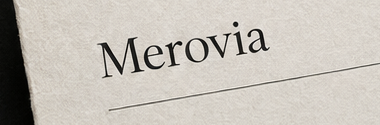
The visual identity should behave with similar restraint. The word has enough character to work in straightforward type. Letterhead, contracts, a reception book, and a door can establish the house before decorative devices are added. I would use a consistent typographic voice and allow different lines to vary through imagery or material. Looking through Interbrand’s Best Global Brands can help a team study how recognizable systems remain coherent across many expressions. The lesson is consistency, not imitation of global scale.
Building the public expression
I also think about the people who must carry the name internally. Candidates should be able to imagine a company larger than one feature. Partners should understand where their work belongs. Teams should know when to use the main identity and when a descriptive line needs prominence. A useful company name creates common ground for those decisions. Merovia sounds established enough to support confidence, yet it does not arrive with a false corporate story. Its history would begin with the new owner’s actual standards and choices.
Before committing, I would test the complete introduction with customers, recruits, and partners who do not know the naming brief. I would ask what they heard, how they spell it, what kind of company they expect, and whether they can find the exact address later. That evidence would shape the descriptor and launch language without turning the decision into a vote. Professional legal review, company registration checks, and a documented domain transfer would follow. The name deserves the same care as any other important company asset, including a clear record of ownership and consistent rules for public use.
This direction fits a founder who expects the company to evolve but refuses to make the opening offer vague. It fits an operator building several connected lines and looking for one public address over them. I would choose Merovia.com for that role only with a clear first business, a naming architecture simple enough to explain on one page, and patience to let reputation accumulate. The result could be a company that feels like a house: identifiable from the street, coherent inside, and spacious enough for new work when the time is right.