A destination brand built as a place
A destination brand begins before arrival. Its name sets an expectation, gives the experience a frame, and becomes the word guests use when they tell someone where they went.
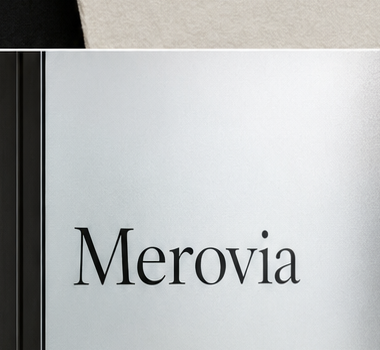
A place is more than a property
Hotels are often described through inventory: rooms, suites, restaurants, pools, and meeting space. Guests remember something less mechanical. They remember the pace of the morning, the view from a particular chair, the person who knew when to offer help, and the small ritual that marked their arrival. A destination brand gives those details a common meaning.
The strongest place names do not read like a list of amenities. They create a mental setting. That setting can begin with one property and later extend into residences, gatherings, guides, or goods, provided each addition keeps the original promise. Merovia has that kind of range. It sounds established without assigning itself to a single building type or geography.
The name should carry a point of view
A broad name only helps when the operator makes a precise choice about what it means. The useful question is not whether a place is luxurious. That word has become too general to guide design or service. The question is what guests should notice, feel, and repeat. Quiet mornings, cultivated local knowledge, generous shared tables, or rigorous privacy each produce a different destination.
Once that point of view is clear, the name becomes a standard. Architecture, uniforms, menus, written notes, partnerships, and staff decisions can be judged against it. Consistency does not require every location to look alike. It means each one recognizes the same guest and delivers the same kind of care in a way that belongs to its setting.
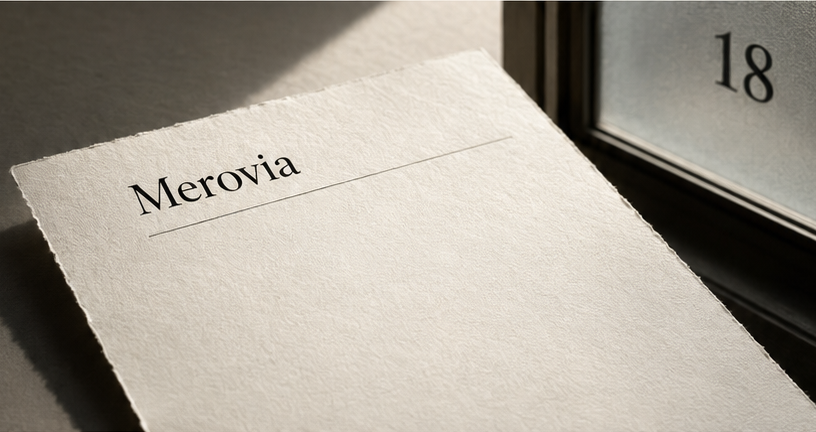
Memory is the real distribution channel
Hospitality depends on platforms for discovery, but a destination should not remain dependent on the platform that introduced it. A memorable name lets a guest return directly, recommend the place accurately, and recognize a future opening. The exact domain supports that move. A spoken recommendation for Merovia leads naturally to Merovia.com, where the operator can present the place in its own voice.
This direct relationship grows more useful with time. A guest who first booked a weekend may later attend a gathering, choose a residence, order an object used in the room, or visit another location. These are not automatic extensions. They work when the original stay earned trust and the next offer feels like a continuation of the same sensibility.
Build the destination from the inside out
Begin with a short operating brief rather than a long brand deck. Define the guest, the reason for the place, three details that must be true in every visit, and three familiar category habits the brand will refuse. Then test the name in real speech: booking Merovia, staying at Merovia, meeting at Merovia, and returning to Merovia. The language should feel natural at each point.
The visual identity can follow that operating idea. The name does not need ornamental storytelling to feel substantial. Clear typography, assured photography, useful information, and careful physical signs can establish a more credible presence than decorative claims. What matters is the agreement between the promise and the stay.
What Merovia can hold
Merovia could begin as one intimate property, a collection with a shared standard, or a membership-led retreat. Its value as a destination name comes from sounding like somewhere people can enter while leaving the character of that place open to the owner. The business still needs a specific location, audience, and reason to return. The name gives those choices a durable public home.
Explore the fuller destination brand direction, compare the goods house idea, or read why a memorable public name matters now.